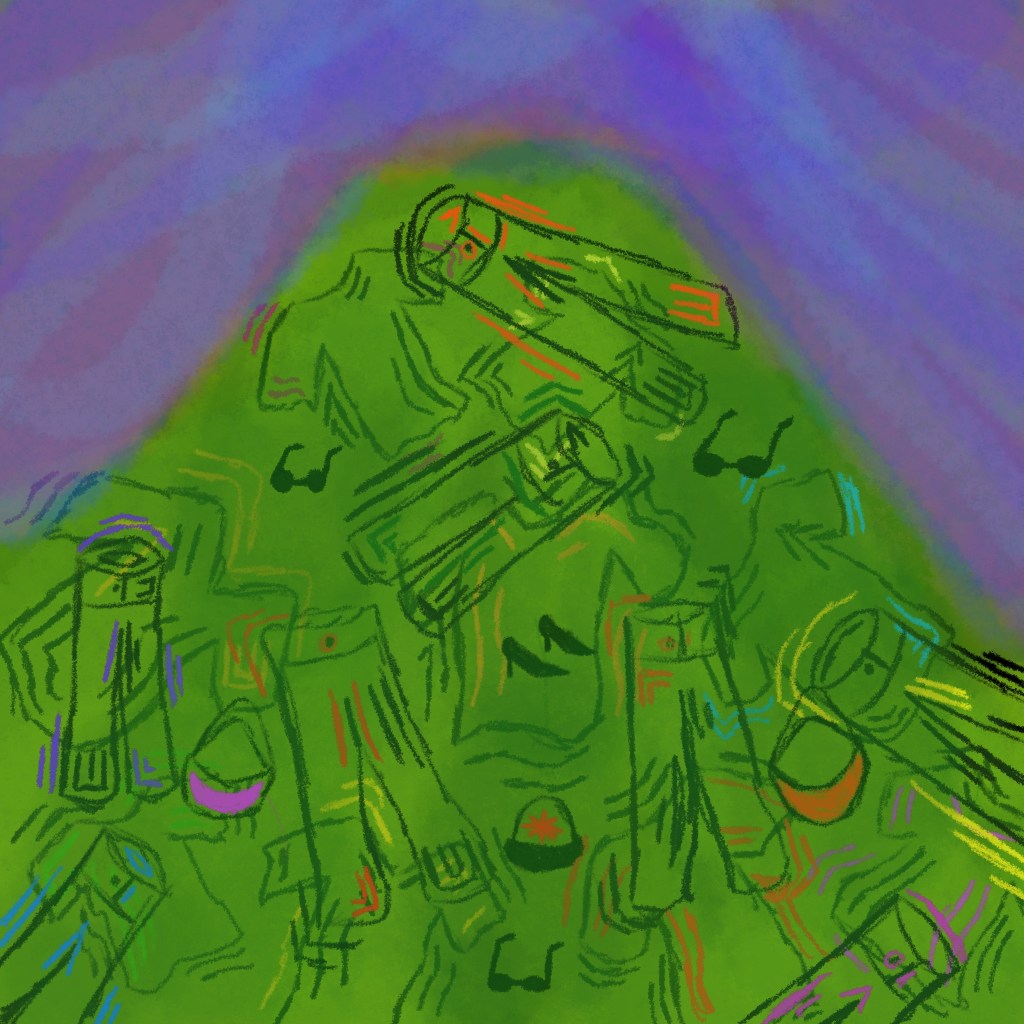
Thrifting clothes, jewelry, and household items has become a staple for young people across North America. The wide selection of goods spread across different second-hand stores is inspiring new fashion trends and fusion of clothing eras to form unique style…but at what point does this type of consumerism become unethical?
Second-hand shopping started off as a way to explore style and find interesting vintage items on a budget. However, mass consumption has overlapped with thrifting, and as a result, has brought light to more serious socioeconomic issues. Due to over-picking, prices have effectively increased (despite many stores selling items on a donation basis) negatively impact low-income consumers. This phenomenon can be observed with two particular stores: Value Village and Goodwill. These two cater specifically to low-income shoppers, however, dramatic increases in price are comparable to that of new items.
Social media and reselling apps such as Depop and eBay have played a part in the insane markup in second hand items. As trends come and go, thrift stores are on the front lines with consumers searching for affordable finds. Some resell clothing and accessories for astronomical prices which nullifies the sustainable consumption habit of buying second hand.
As its popularity continues to swell, stores are becoming over-picked and are now filed with fast fashion brands. Shelves are bursting with poor quality clothing from the ultimate consumption culprit, SHEIN. This dramatic increase in consumption has led to a lowlier quality of items and has contributed to the increase in pricing of longer-living products. The practice of buying used items began as a sustainable method of consumerism and something essential for those of a lower socioeconomic status but has been transformed into a middle- and upper-class trend.
Ethical consumption does not necessarily mean just purchasing used products, it means pricing items ethically, holding on to and repurposing articles throughout its life, and not over consuming in places in which we are not the target demographic. The unethical consumption associated with Gen Z and affecting the second-hand industry worsens issues relating to income inequality and marginalization. It is not that thrifting is exclusively for one type of person, but considerations must be made by financially stable shoppers.
 Hannah Elatty